Backrooms उन rare internet stories में से एक है, जो meme, YouTube horror, fan theory और cinema के बीच की दीवार तोड़कर Hollywood तक पहुंच गई।
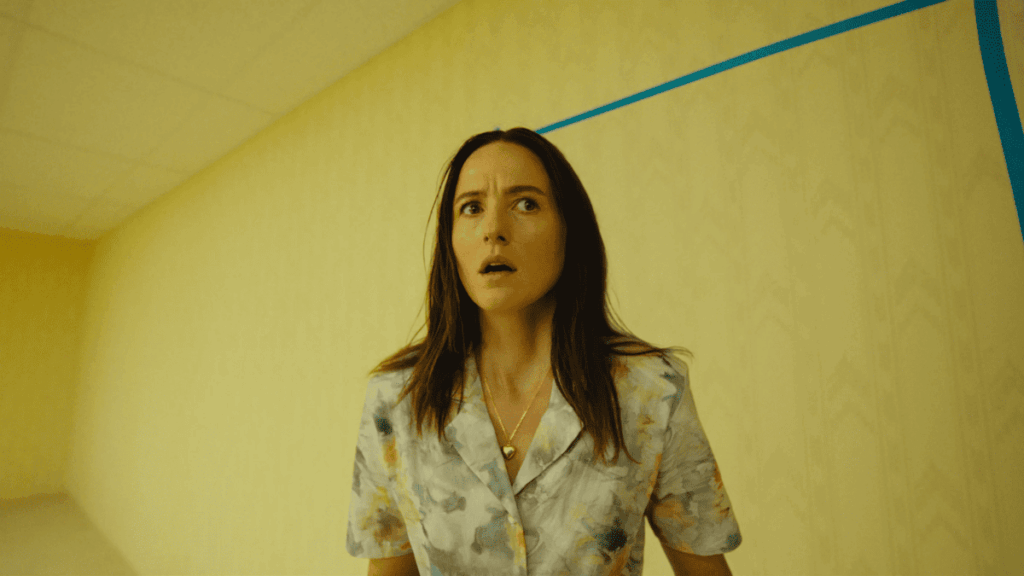
शुरुआत में यह सिर्फ एक अजीब-सी online horror idea थी: पीली दीवारों वाले खाली कमरे, लगातार बजती fluorescent lights, गीला carpet, और ऐसा maze जिससे बाहर निकलने का कोई साफ रास्ता नहीं दिखता।
फिर यह idea Reddit, YouTube, fan wikis, indie games, fan art और short videos के जरिए फैलता गया।
2026 में A24 की Backrooms फिल्म की सफलता ने इसे mainstream horror phenomenon बना दिया। लेकिन फिल्म के बाद एक नया विवाद शुरू हुआ: कुछ Backrooms-inspired fan art और products पर copyright takedown claims की खबरें आईं।
अब सवाल यह है:
अगर कोई horror myth इंटरनेट की community ने मिलकर बनाया है, तो क्या Hollywood उसे पूरी तरह own कर सकता है?
Backrooms क्या है?
Backrooms एक internet-born horror concept है।
इसकी basic story यह है कि कोई इंसान गलती से reality से “clip out” हो जाता है और एक endless जगह में पहुंच जाता है। वहां खाली rooms हैं, yellow walls हैं, buzzing lights हैं, और एक ऐसा माहौल है जो familiar भी लगता है और डरावना भी।
यह traditional horror जैसा नहीं है, जहां डर सिर्फ ghost या monster से आता है।
Backrooms में डर space से आता है।
ऐसे खाली hallway, office, hotel corridor, mall या school building, जहां कोई इंसान नहीं है, लेकिन जगह फिर भी जानी-पहचानी लगती है। इसी aesthetic को अक्सर “liminal space” कहा जाता है।
भारत और दक्षिण एशिया के digital audience के लिए इसे ऐसे समझा जा सकता है: यह modern internet urban legend है। कोई एक लेखक नहीं, बल्कि हजारों online users ने मिलकर इसे बड़ा बनाया।
A24 फिल्म ने Backrooms को क्यों बड़ा बना दिया?
Kane Parsons, जिन्हें online Kane Pixels के नाम से जाना जाता है, ने YouTube पर Backrooms को found-footage horror style में पेश किया। उनके videos ने इस internet myth को cinematic form दिया।
इसके बाद A24 ने Backrooms को film में बदल दिया।
A24 पहले से ही bold, unusual और auteur-driven horror films के लिए जाना जाता है। इसलिए जब उसने Backrooms जैसे internet-born concept को उठाया, तो यह सिर्फ एक horror movie news नहीं थी। यह signal था कि Hollywood अब YouTube creators और online horror communities को serious source material की तरह देख रहा है।
भारत में भी यह बात relevant है।
यहां YouTube, Instagram Reels, gaming channels, horror narration videos, explainers और fan edits की बहुत बड़ी audience है। कई young creators अपनी stories, edits, short films और animations से audience बना रहे हैं। Backrooms की सफलता यह दिखाती है कि internet-native creativity अब global entertainment industry को प्रभावित कर रही है।
Copyright controversy में हुआ क्या?
कई reports के अनुसार, Backrooms-inspired fan art और merchandise पर copyright takedown claims लगाए गए। कुछ creators और fans ने कहा कि उनके designs, जो Backrooms जैसी yellow-wall और empty-room aesthetic से inspired थे, remove या target किए गए।
इससे fan community में नाराजगी हुई।
Fans का कहना था कि Backrooms film से पहले ही internet culture का हिस्सा था। Yellow rooms, liminal spaces और empty corridors की aesthetic A24 की film से पहले भी online मौजूद थी।
बाद में reports के अनुसार, A24 ने कहा कि कुछ takedowns एक external rights-management system की गलती से हुए। Kane Parsons ने भी Backrooms community और fan creators के समर्थन में रुख दिखाया।
लेकिन विवाद ने एक बड़ा सवाल उठा दिया:
Studios अपनी film protect करें, यह सही है। लेकिन क्या वे उस internet culture पर भी control रख सकते हैं जिसे fans ने मिलकर बनाया?
Fans क्यों नाराज हुए?
Fans इसलिए नाराज नहीं हुए कि एक product हट गया।
वे इसलिए नाराज हुए क्योंकि उन्हें लगा कि एक open internet culture को corporate IP में बदलकर बंद किया जा रहा है।
Backrooms को किसी studio ने शुरू से create नहीं किया था। यह anonymous posts, Reddit threads, YouTube videos, fan theories, games और digital art से मिलकर बना।
Fans सिर्फ viewers नहीं थे।
वे builders थे।
उन्होंने levels बनाए, entities imagine कीं, stories लिखीं, videos बनाए, games create किए, और इस universe को expand किया।
इसलिए जब copyright takedown fan art तक पहुंचता दिखा, तो community को लगा कि उनकी अपनी बनाई हुई culture पर बाहरी control लगाया जा रहा है।
Indian audience के लिए यह क्यों important है?
भारत में fan culture और remix culture बहुत मजबूत है।
YouTube edits, anime fan pages, cricket memes, Bollywood mashups, gaming clips, horror narration channels, Instagram Reels, AI edits, devotional remixes, regional meme pages, सब मिलकर एक बहुत बड़ा creative ecosystem बनाते हैं।
भारतीय audience सिर्फ content consume नहीं करती। वह content को translate करती है, remix करती है, local context देती है, memes बनाती है और नए meanings जोड़ती है।
इसलिए Backrooms controversy भारत के लिए भी relevant है।
यह सवाल सिर्फ Hollywood का नहीं है। यह हर digital creator का सवाल है:
अगर कोई idea community में बड़ा हुआ है, तो commercial success के बाद उस community की जगह क्या रहेगी?
Copyright protection और fan creativity में फर्क
यह समझना जरूरी है कि copyright protection गलत नहीं है।
अगर कोई film का pirated version बेच रहा है, official poster चुरा रहा है, या studio की original footage का गलत इस्तेमाल कर रहा है, तो studio को action लेने का अधिकार है।
लेकिन fan art, inspired designs, commentary videos, explainers, theories और community creations अलग मामला हैं।
Backrooms जैसे universe की ताकत इसी से आती है कि लोग उसमें अपनी imagination जोड़ते हैं।
अगर creators डरने लगें कि वे drawing, video, game या analysis नहीं बना सकते, तो वही community कमजोर हो जाएगी जिसने Backrooms को famous बनाया।
Backrooms अकेला case नहीं है
Backrooms की सफलता के बाद Hollywood दूसरे internet horror projects पर भी नजर रख रहा है।
The Mandela Catalogue, Siren Head, Cartoon Cat, SCP जैसे online horror universes पर भी film industry का ध्यान बढ़ रहा है।
इसका मतलब है कि future की horror franchises सिर्फ novels, comics या old movies से नहीं आएंगी।
वे YouTube videos, Reddit posts, creepypasta, indie games, memes और fan communities से भी आ सकती हैं।
भारत जैसे digital-first market के लिए यह बहुत बड़ा संकेत है। यहां regional languages में horror storytelling, short video formats, animation, gaming और myth-based content की भारी संभावना है।
अगर internet-born stories global cinema तक जा सकती हैं, तो Indian creators भी इस wave का हिस्सा बन सकते हैं।
Backrooms आखिर किसका है?
Legal answer complicated है।
Specific film, poster, music, footage, logo या script पर rights clear हो सकते हैं।
लेकिन cultural level पर Backrooms एक collective myth है।
Kane Parsons ने इसे cinematic identity दी। A24 ने इसे global film बनाया। लेकिन internet community ने इसे grow किया।
इसलिए Backrooms को सिर्फ एक company की property की तरह देखना इसकी पूरी history को छोटा कर देता है।
यह एक ऐसा world है जिसे internet ने मिलकर बनाया।
Conclusion
Backrooms copyright controversy सिर्फ एक copyright dispute नहीं है।
यह दिखाती है कि जब internet folklore Hollywood franchise बनता है, तो community और corporation के बीच tension पैदा हो सकती है।
A24 की film ने साबित किया कि online horror culture global box office तक जा सकती है। लेकिन इस success के साथ जिम्मेदारी भी आती है: उस community का सम्मान करना जिसने इस myth को बड़ा बनाया।
Backrooms डरावना इसलिए है क्योंकि वह एक ऐसा स्थान लगता है जिसका कोई साफ मालिक नहीं।
आज वही सवाल इस story पर लागू हो रहा है।
Backrooms किसका है?
शायद किसी एक company का नहीं।
शायद, cultural sense में, यह पूरे internet का है।
コメント