
Editor-in-Chief Ozasa of Wright Brothers News describes these photographs as truly remarkable works of art.
There’s something strange about quiet places.
They seem to hold human emotion long after people are gone.
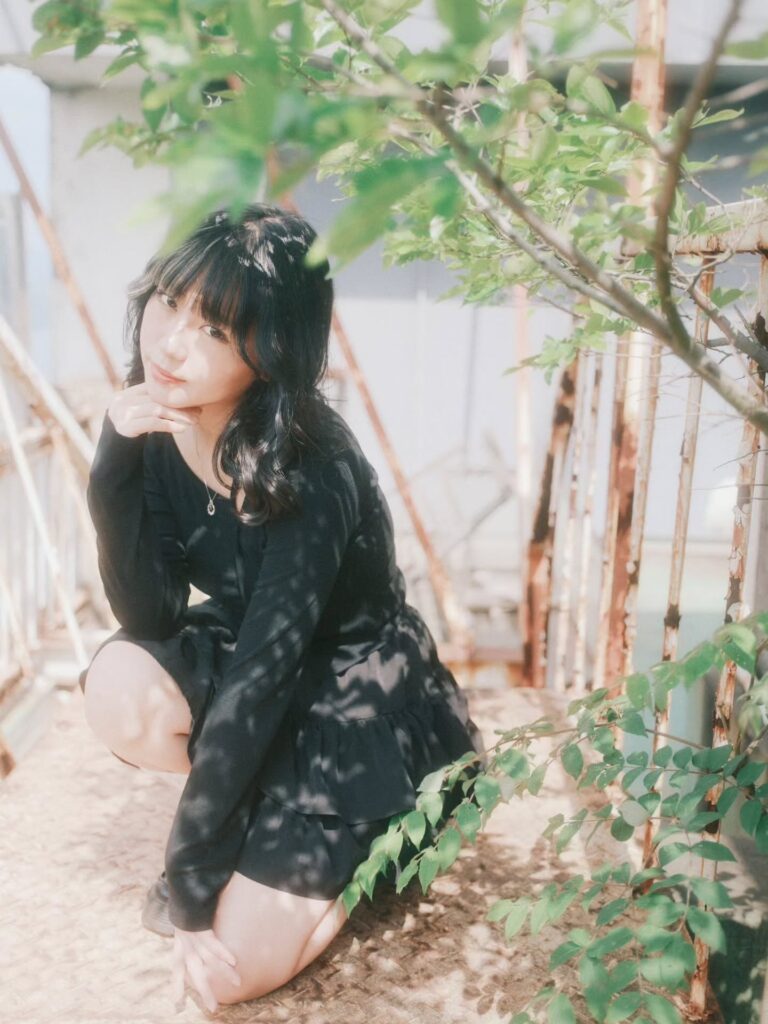
A rusted staircase.
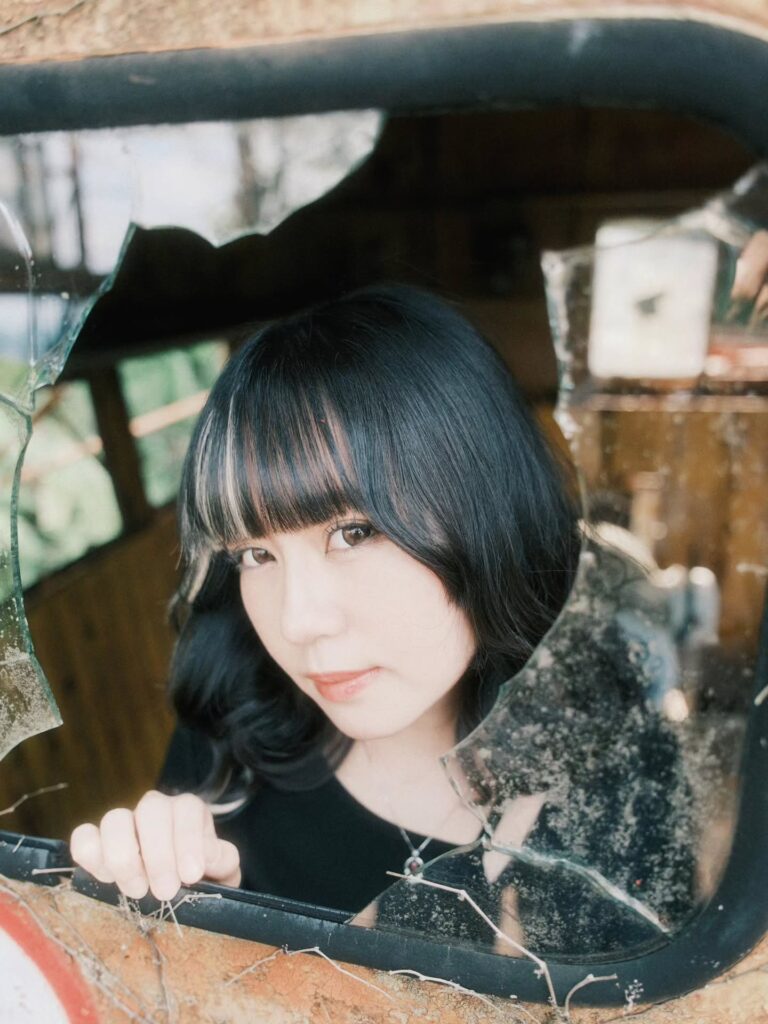
Broken glass.
An abandoned space slowly being reclaimed by nature.
Normally, we would describe scenes like these as damaged or forgotten.
And yet, sometimes they feel unexpectedly beautiful.
These photographs capture the emotional power of imperfection.
The woman standing softly in the light doesn’t appear dramatic or overpowering.
Still, there’s a presence that quietly pulls your attention in.
Looking through the shattered glass feels almost like standing between reality and memory.
You can see it clearly, but you can’t quite reach it.
It feels close — yet distant at the same time.
In Japanese photography and visual storytelling, there is often beauty in what is left unsaid.
Rather than forcing emotion onto the viewer, the artist leaves emotional space open for interpretation.
That’s why every person may see a different story inside the same image.
Perfect things are easy to admire.
But imperfect things are often the ones we remember.
That quiet emotional depth is what makes these photographs feel so powerful.
Annotation
In Japanese culture, photography and film often value atmosphere, silence, and emotional subtlety.
Rather than expressing feelings directly, many Japanese artists create space for the viewer to emotionally interpret the scene themselves.
In contrast, Western visual culture often emphasizes strong emotional expression, individuality, and clear storytelling.
Especially in the United States and Europe, photography has traditionally focused on confidence, identity, and personal impact.
Another major difference is how beauty itself is perceived.
In Japan, old buildings, worn objects, and even broken things can be appreciated because they reflect the passage of time.
This idea is closely connected to the Japanese concept of “wabi-sabi,” which finds beauty in imperfection, impermanence, and incompleteness.
In many Western cultures, beauty is often associated with restoration, perfection, or polished presentation.
Japanese aesthetics, however, frequently embrace the atmosphere created by age, decay, and quiet imperfection.
Comments