When Backrooms became one of the biggest horror surprises of 2026, it looked like a perfect internet-to-Hollywood success story.
A strange online myth that began with a single image of empty yellow rooms had become a major A24 movie. Kane Parsons, also known as Kane Pixels, had gone from uploading eerie found-footage videos on YouTube to directing a breakout theatrical hit. And for a moment, Backrooms seemed to prove that Hollywood was finally learning how to treat internet-native horror seriously.
But the story has now entered a more complicated phase.
In recent days, reports of copyright takedowns aimed at Backrooms-inspired fan art and merchandise have sparked backlash from fans, artists, and online horror communities. The controversy raises a question that is much bigger than one movie:
Who owns an internet legend?
What is Backrooms?
Backrooms is an internet-born horror concept built around the idea of accidentally slipping out of reality and entering an endless maze of empty, fluorescent-lit rooms.
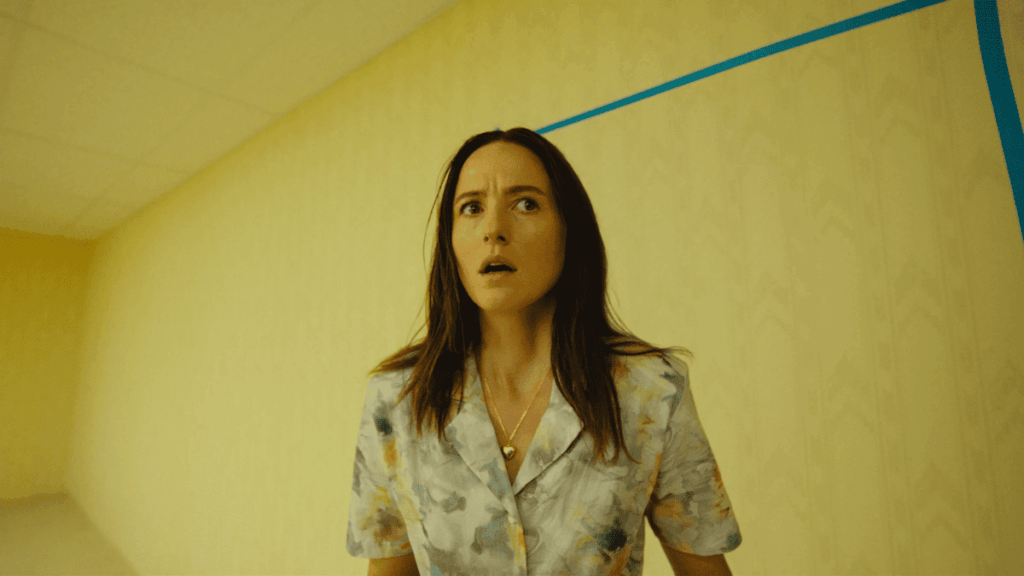
The most famous version of the setting features yellow wallpaper, buzzing lights, damp carpet, and a feeling that something is just slightly wrong. It is horror without a traditional monster at first glance. The fear comes from being lost in a place that feels familiar, corporate, and abandoned all at once.
The concept began spreading online in 2019, then grew through forums, Reddit posts, fan wikis, games, animations, and YouTube videos. Kane Parsons’ found-footage series helped make the Backrooms feel cinematic, turning the idea into one of the most recognizable examples of “liminal space” horror.
That community-built nature is exactly why the current copyright debate matters.
Why is Backrooms back in the news?
The new controversy began after reports that Backrooms-inspired artwork and merchandise had been hit with takedown claims connected to A24.
According to coverage from PC Gamer, Creative Bloq, Kotaku, and The A.V. Club, the backlash focused partly on art involving the recognizable yellow wallpaper associated with the original Backrooms image. Some fans argued that this imagery existed before A24’s film and was part of a wider internet folklore ecosystem, not something a studio should be able to control.
A24 later said the takedowns were an error tied to an outsourced system, according to reports. Kane Parsons also pushed back against the idea of targeting the Backrooms community, saying the film exists within a much larger creative ecosystem.
That response helped calm part of the backlash, but the debate is not going away. If anything, it revealed how fragile the relationship can be between fan communities and the companies that adapt their ideas.
Why Americans are paying attention
For U.S. audiences, this controversy lands in a very familiar place: the collision between fandom, copyright enforcement, and corporate IP.
American internet culture has seen this pattern before. A meme, game mod, creepypasta, fan film, or YouTube series becomes popular. A studio or platform gets involved. Then the original community starts asking whether the thing they helped build is being protected, commercialized, or fenced off.
That is why the Backrooms controversy feels bigger than a Redbubble takedown.
It touches several American online-culture pressure points at once:
- DMCA-style copyright enforcement
- fan art and creator merchandise
- Reddit-born backlash
- YouTube creators moving into Hollywood
- studios trying to build franchises from internet lore
- the fear that community-made culture can be absorbed by corporations
For fans, the concern is not just whether A24 made a mistake. The deeper concern is whether internet folklore can survive once it becomes a movie franchise.
Kane Parsons is now at the center of Hollywood’s internet horror boom
The timing makes the controversy even more important.
GamesRadar+ reports that Backrooms became a major box-office success, with the film grossing hundreds of millions worldwide on a relatively modest budget. Box Office Mojo currently lists Backrooms at more than $380 million worldwide.
That kind of return changes how Hollywood looks at internet-native creators. Parsons is reportedly being pursued for future projects, with discussions around a possible sequel and a broader relationship with A24.
For studios, the lesson is obvious: online horror can be cheap, recognizable, and extremely profitable.
For fans, the lesson is more complicated: once a community myth becomes a studio asset, the rules can change very quickly.
Backrooms is not the only internet horror story heading to Hollywood
The Backrooms controversy is also happening as Hollywood looks more aggressively at other forms of internet lore.
Entertainment Weekly recently highlighted several projects based on online horror and creepypasta culture, including The Mandela Catalogue, Siren Head, Cartoon Cat, and V/H/S: SCP. These are not traditional studio-born horror properties. They come from YouTube series, viral art, online communities, and collaborative mythmaking.
That makes Backrooms a test case.
If A24 and Parsons can navigate the relationship with the fan community carefully, Backrooms could become the model for how to adapt internet folklore without crushing it. If not, it could become a warning sign for every online horror fandom watching Hollywood move into its territory.
How this connects to A24 and Google DeepMind
This controversy also follows another major Backrooms story: A24’s partnership with Google DeepMind.
That earlier news raised questions about how artificial intelligence might become part of professional filmmaking. But the copyright controversy raises a different question. It is not about how movies are made. It is about where modern movie ideas come from.
The future of film may involve AI tools, but it also depends on communities, memes, fan edits, YouTube creators, Reddit threads, and visual languages that studios did not invent.
That is why Backrooms is such an important case. It sits at the intersection of AI filmmaking, creator culture, fan ownership, and Hollywood’s search for the next big franchise.
So, who owns Backrooms?
Legally, the answer is complicated.
Creatively, the answer is clearer: Backrooms became powerful because many people contributed to the myth.
The original image, the forum posts, the YouTube videos, the fan games, the wikis, the memes, and the A24 film all helped shape what Backrooms means today. Kane Parsons gave the concept one of its most influential cinematic forms, but the wider Backrooms universe was never just one person’s story.
That is why the recent copyright dispute struck a nerve. Fans were not only defending wallpaper patterns or merchandise. They were defending the idea that internet folklore should remain open enough for people to keep creating inside it.
Why this matters
The Backrooms controversy may eventually be remembered as a small mistake caused by automated copyright enforcement. But it points to a much bigger issue.
Hollywood wants internet culture because it already comes with built-in audiences. But internet culture often works because it is participatory, remixable, and messy. Fans do not just consume it. They expand it.
If studios want to adapt online myths, they will need to understand that the community is not just a marketing audience. It is part of the source material.
Backrooms became a hit because it felt like something the internet discovered together. The challenge now is whether Hollywood can build on that without locking the door behind it.
Internal Link Note
https://thewrightbrothers.blog/archives/7985For more on A24’s partnership with Google DeepMind and the AI filmmaking side of Backrooms, read our earlier explainer here.
Sources
PC Gamer: https://www.pcgamer.com/games/horror/kane-parsons-is-standing-up-for-an-artist-after-a24-attempted-to-copyright-strike-their-backrooms-art/
Creative Bloq: https://www.creativebloq.com/entertainment/movies-tv-shows/the-backrooms-copyright-controversy-risks-tainting-the-movies-breakthrough-success
Kotaku: https://kotaku.com/backrooms-director-kane-parsons-a24-copyright-strike-wallpaper-2000717053
GamesRadar+: https://www.gamesradar.com/entertainment/horror-movies/big-hollywood-studios-are-fighting-over-new-director-on-the-block-kane-parsons-ahead-of-his-backrooms-sequel/
Entertainment Weekly: https://ew.com/upcoming-movies-based-on-internet-lore-memes-creepypasta-12019505
Box Office Mojo: https://www.boxofficemojo.com/title/tt26657236/
Comments