

If you woke up wondering why everyone is suddenly talking about Vozinha, you are not alone.
The 40-year-old goalkeeper from Cape Verde became one of the breakout stories of the 2026 FIFA World Cup after helping his country hold Spain to a stunning 0-0 draw. But the bigger story is not just what happened on the field.
Vozinha did not simply go viral because he made big saves. He became a global sports story because a World Cup moment, a YouTube-powered Brazilian broadcast, and millions of online fans collided at exactly the right time.
In a World Cup hosted across North America, this is the kind of underdog story American sports fans understand immediately: a veteran player, a small nation, a heavyweight opponent, and one unforgettable night.
Who Is Vozinha?
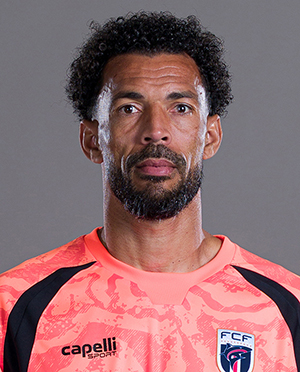
Vozinha is the nickname of Josimar José Évora Dias, the goalkeeper for Cape Verde’s national team.
He was born in 1986 and has spent much of his career playing in European club soccer, including in Portugal and other leagues outside the biggest global spotlight. At 40 years old, he is not the typical image of a sudden World Cup breakout star.
That is part of why the story connected so strongly.
Cape Verde, a small island nation off the coast of West Africa, was making its World Cup debut. Spain, one of the world’s biggest soccer powers, was expected to control the match. Instead, Cape Verde defended bravely, and Vozinha became the face of a historic result.
What Happened Against Spain?
On June 15, Cape Verde held Spain to a 0-0 draw in Atlanta.
Spain created pressure and chances, but Vozinha kept the game scoreless with a series of important saves. By the end of the match, he had become the emotional center of the story: a 40-year-old goalkeeper helping a World Cup newcomer earn a point against one of the tournament favorites.
For American fans, it has the feel of a classic March Madness upset, except on the biggest soccer stage in the world.
A smaller team survives wave after wave, the veteran leader becomes a hero, and the internet turns the moment into something much bigger than the box score.
Why Did Vozinha Go Viral?
The viral explosion came from Brazil’s CazéTV, a sports-focused media channel built around YouTube and creator-led coverage.
During the match, Brazilian streamer Casimiro Miguel and the CazéTV audience pushed fans to follow Vozinha on Instagram. According to AP, Vozinha had around 50,000 Instagram followers before the match. Within 24 hours, that number had surged to nearly 10 million.
That kind of growth is not normal, even during a World Cup.
It shows how modern sports fame now works. A player can have the performance of his life, but the moment becomes global when a creator, a live audience, and social media move together.
In other words, CazéTV did not just broadcast the game. It helped turn Vozinha into the story.
What Is CazéTV?
CazéTV is a Brazilian sports media channel closely associated with popular streamer Casimiro Miguel.
Unlike traditional TV coverage, CazéTV feels more like a live online community. Fans watch, react, comment, share clips, and participate in the story as it happens.
That is why the Vozinha moment matters. It shows how the World Cup is no longer only shaped by television networks and postgame highlights. It is also shaped by creators, YouTube streams, live chats, memes, and instant social followings.
For American readers, think of it as the sports version of a live Twitch or YouTube community suddenly deciding, in real time, that one player deserves the entire internet’s attention.
Why This Story Hits Differently in the U.S.
There is also a North American angle that makes Vozinha’s story especially powerful.
The 2026 World Cup is being played across the United States, Canada, and Mexico. That means stories like this are not happening far away. They are happening in American stadiums, in American cities, and in front of global audiences watching through American-based platforms.
There is also the family element.
Vozinha’s mother reportedly could not attend the Spain match because of visa and cost-related issues. Later reports said she received help to attend Cape Verde’s next match. That detail turned the story from a sports upset into something more human: a son having the game of his life while wishing his mother could be there to see it.
It is a story about soccer, but also about migration, family, access, and the emotional weight of representing a small country on a massive stage.
What Vozinha’s Rise Says About the Future of Sports
Vozinha’s sudden fame is not just a feel-good World Cup story. It is a sign of where sports media is going.
A decade ago, a performance like this might have become a great highlight package. Today, it can become a global identity shift overnight. One match can turn a relatively unknown player into a name searched around the world.
The path is simple but powerful:
A great performance happens.
A creator-led broadcast notices it.
A live audience joins in.
Social media amplifies it.
Search demand follows.
That is exactly what happened with Vozinha.
Final Takeaway
Vozinha became famous because he played brilliantly against Spain. But he became a global viral star because CazéTV and millions of online fans transformed that performance into a social media movement.
For Cape Verde, the 0-0 draw was a historic World Cup result. For Vozinha, it was the night the world finally learned his name.
And for the rest of us, it may be a preview of how the next generation of World Cup heroes will be discovered: not only by scouts, broadcasters, and journalists, but by online communities watching together in real time.
Sources
AP: https://apnews.com/article/8970f3ffc595bc5bc39955dcb5b9b90c
YouTube official blog: https://blog.youtube/news-and-events/youtube-fifa-world-cup-lineup/
Al Jazeera: https://www.aljazeera.com/sports/2026/6/17/cape-verde-goalkeeper-vozinhas-mother-gets-visa-to-attend-world-cup
Comments