
In Japan, objects are rarely just objects.
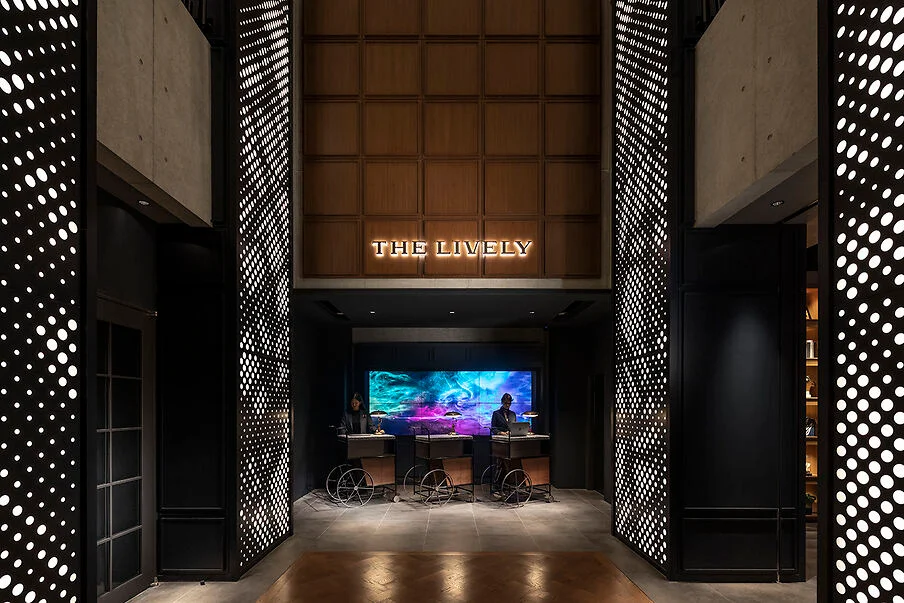
bonobo LLC has announced an upcycled kimono art exhibition by its brand “ikasu,” to be held at THE LIVELY Tokyo Azabujuban from May 1 to May 31, 2026.
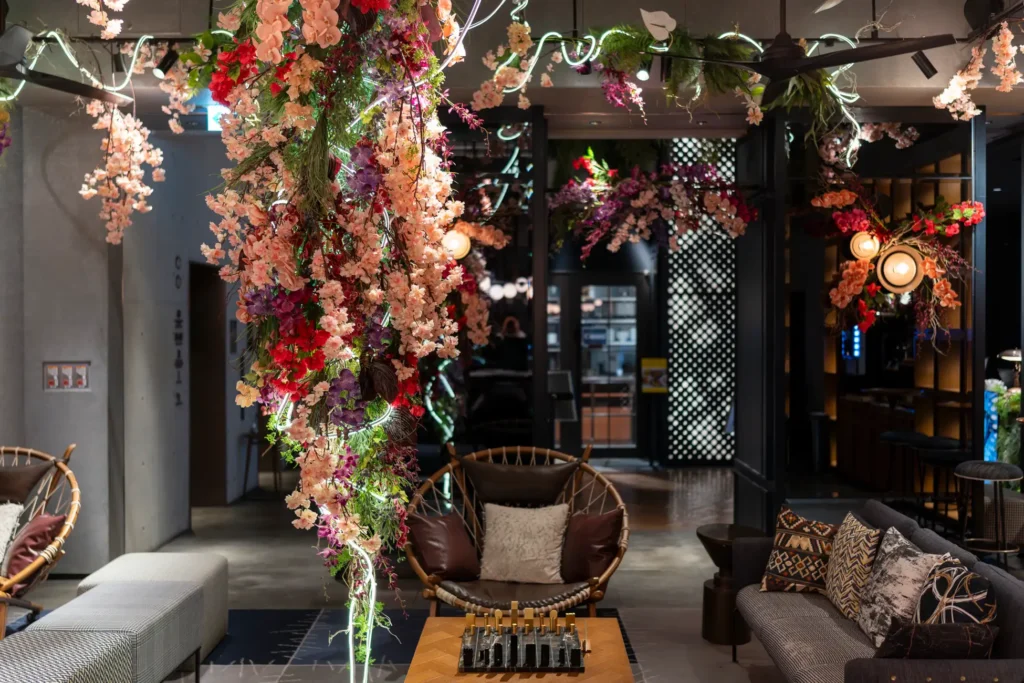
The exhibition will take place in the hotel’s second-floor lounge “LIVERALLY,” showcasing a total of 53 works, including 44 new pieces. Under the theme “Light and Color Emerging in the Urban Night,” artist Lena Okamoto transforms layers of antique textiles into quiet yet striking visual compositions inspired by the Tokyo night.
Each piece begins with a kimono.
Not newly made,
but once worn —
in ceremonies, in daily life, in moments that mattered.
These kimonos, having completed their original role, are not discarded.
Instead, they are reborn as contemporary textile art.
Some works even incorporate traditional Japanese furniture, such as paulownia chests, used as frames — extending the life of objects beyond their original function.
This is not recycling.
It is continuation.
During the exhibition period, the lounge—normally reserved for hotel guests—will be open to the public with free admission and no reservation required. All artworks are available for purchase starting from ¥40,000 (tax included), each existing as a one-of-a-kind piece.
ikasu’s philosophy is simple but powerful:
to give materials a second life without erasing their past.
Because in Japan, value is not always found in something new —
but in something that has lasted.
Annotation
In the United States, objects are often evaluated based on function, efficiency, or personal preference. When something is no longer useful, it is typically replaced.
In Japan, there is a different relationship with objects.
Many items are kept not because they are needed, but because they carry meaning.
This can be seen in everyday life — from decorative objects placed in homes, to heirlooms passed down through generations.
These are not simply decorations.
They are objects that represent memory, identity, and continuity.
A kimono belongs to this category.
Even when no longer worn, it is rarely treated as disposable.
Instead, it is preserved, stored, or repurposed — not just for its material value, but for what it represents.
This cultural mindset is what makes projects like ikasu possible.
From the perspective of Wright Brothers News, this exhibition is not only about art —
it is about how a society chooses to relate to time, memory, and the objects it leaves behind.
Comments